Conquering Kili by E-BIKE
Bicycling from the summit of Africa’s highest mountain
(5,895 metres) to the Indian Ocean (750km)
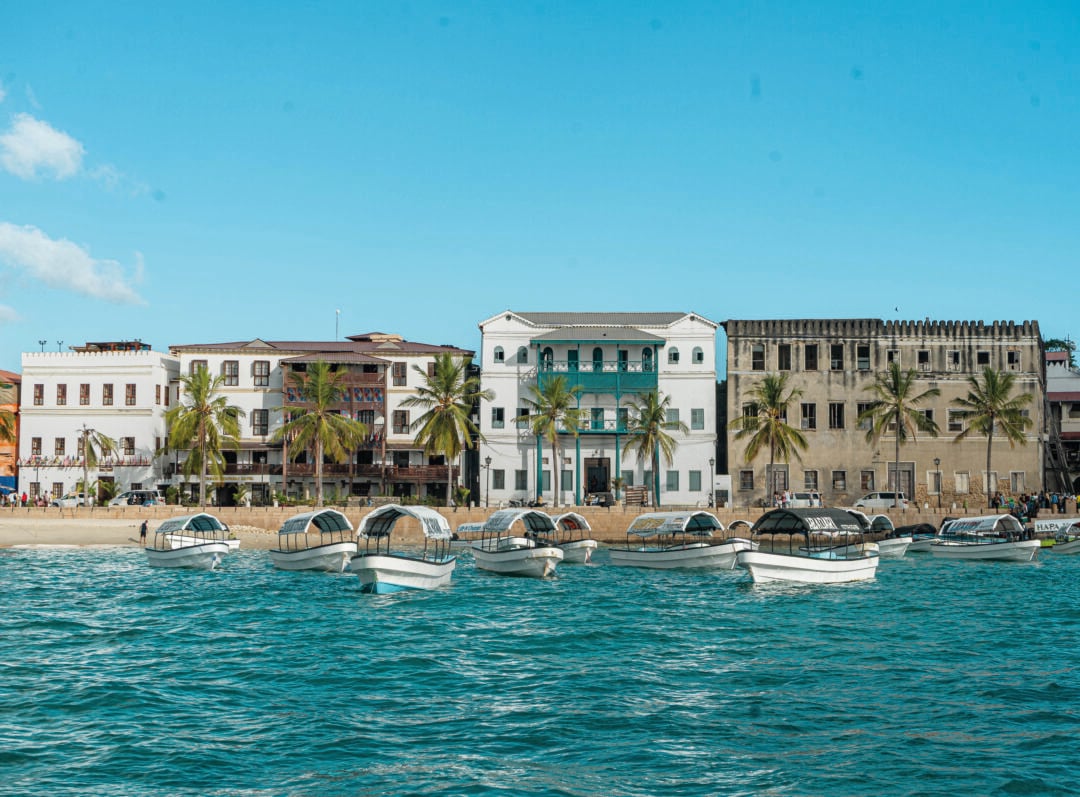
Finnish bike enthusiast Kare Murtonen pedaled up and down the Kilimanjaro, and when that didn’t seem enough, the 51-year-old continued all the way back home to Zanzibar (last stretch by boat of course). Here he tells his amazing story.
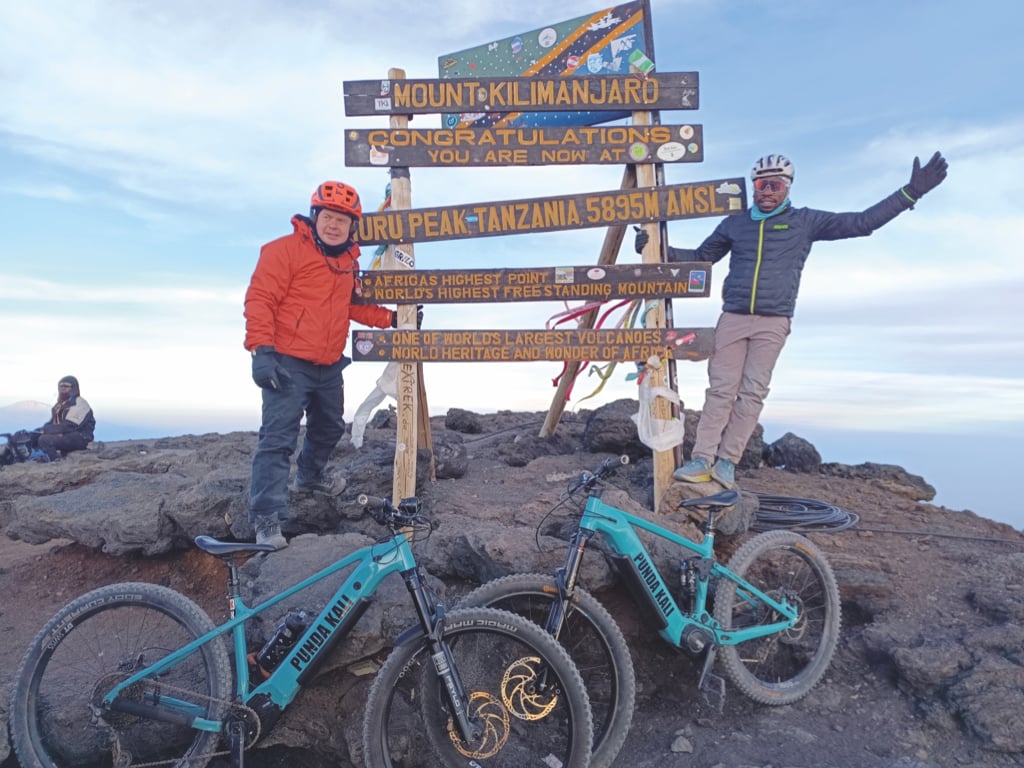
When I first climbed Kilimanjaro at 19, a friend and I talked about returning with mountain bikes. The idea never happened, but the dream stayed alive. Thirty-one years later, during my 50th birthday year, I returned with my Punda Kali – an East African e-mountainbike prototype. In Swahili, Punda Kali can be freely translated as “Badass Donkey”.
The plan was to ride as much as possible up Kilimanjaro, reach Uhuru Peak at 5,895 metres, ride down, and then continue across northern Tanzania to the Indian Ocean. So, the goal was summit to sea. The preparation was unusual to start with. I trained intensively for a few months, but Zanzibar, where I mostly rode, has few steep trails. So, I sometimes rode staircases inside an apartment building to improve my technique for very steep climbs. Not recommended for safety but it helped with balance, body position and power control.
What is an e-mountainbike?
For readers who are not cyclists, an e-mountainbike is not a motorbike. It moves only when you pedal. The motor only assists your efforts. It can be even harder than riding a non-assisted mountain bike, as it allows you to ride steep trails that are often not possible with regular bikes. And riding at 5,000 metres, where oxygen is about half that at sea level, is tough.
On Kilimanjaro, bicycles are allowed to the top only on one route. It is still a very rare way to reach the summit, but a few people do it. My guide Richard, whom I found through a friend’s recommendation, was excellent. He knew the mountain well and joined the ride on a Punda Kali I had arranged for him. The route starts from Kilema Gate, via Horombo, Kibo, Gilman’s Point, Stella Point and finally to Uhuru Peak. It took us three days. As we pedaled, the mountain changed from rainforest to moorland to alpine desert and then to the most difficult part – loose volcanic scree – on summit night, with some rocky sections before reaching Gilman’s Point. The climate on the trip also changed a lot. On Kilimanjaro I needed proper cold-weather mountain clothing, but I left most of it in Moshi after the climb. For the rest of the trip I kept things minimal, clothes were less important than batteries and energy bars.
Pole pole cyclists
The lower sections of the Kilimanjaro were beautiful and surprisingly rideable all the way to Kibo Hut. Sometimes the trail became rocky and technical, perfect for a Punda Kali type of bike. The old Kilimanjaro rule also works for cyclists: pole pole – slowly, slowly. With an e-mountainbike, the danger is not laziness but getting too excited and climbing too fast.
Above Kibo Hut, on summit night, the mountain became serious. The slope steepened, the ground moved under the tyres, and the main risk was losing control, sliding out or crashing in the loose scree while tired, cold and at high altitude. Sometimes the bike had to be pushed or carried. I wanted to find out how far it was realistically possible to ride. Some sections were possible with rhythm and careful line choice. Others were too loose or too rocky.
Reaching Uhuru Peak at 5,895 metres with a bicycle was strange, funny and a bit emotional. While many people were climbing up, my guide Richard and I were the only ones that day with bikes. I was tired, but standing there felt like the real ride was only about to begin, with the longest downhill of my life waiting below. So, Kilimanjaro was not the end. It was the beginning of my journey.
Downhill is the hardest
The descent from Uhuru to Marangu drops almost 4,300 vertical metres. For me it was the downhill celebration I had come for. The upper part was serious riding with loose scree, tired arms, hot brakes, thin air and full concentration. But it was also enjoyable, technical and unforgettable. Lower down, the trail became faster and more playful.
All the way to Zanzibar, through the West and East Usambaras and Amani rainforest to Tanga and finally to Zanzibar, I avoided main roads when possible and followed smaller trails between villages, farms and forests.
Butterflies around me
Did we have any mishaps? Of course. The batteries died a few kilometres before my destination in Mambo in the Usambaras (after almost 13 hours on the bike) and night fell, so I took a motorbike taxi with the bicycle balanced between me and the rider. A few kilometres before home in Fumba Town, the rear derailleur finally gave up, and I finished with one gear.
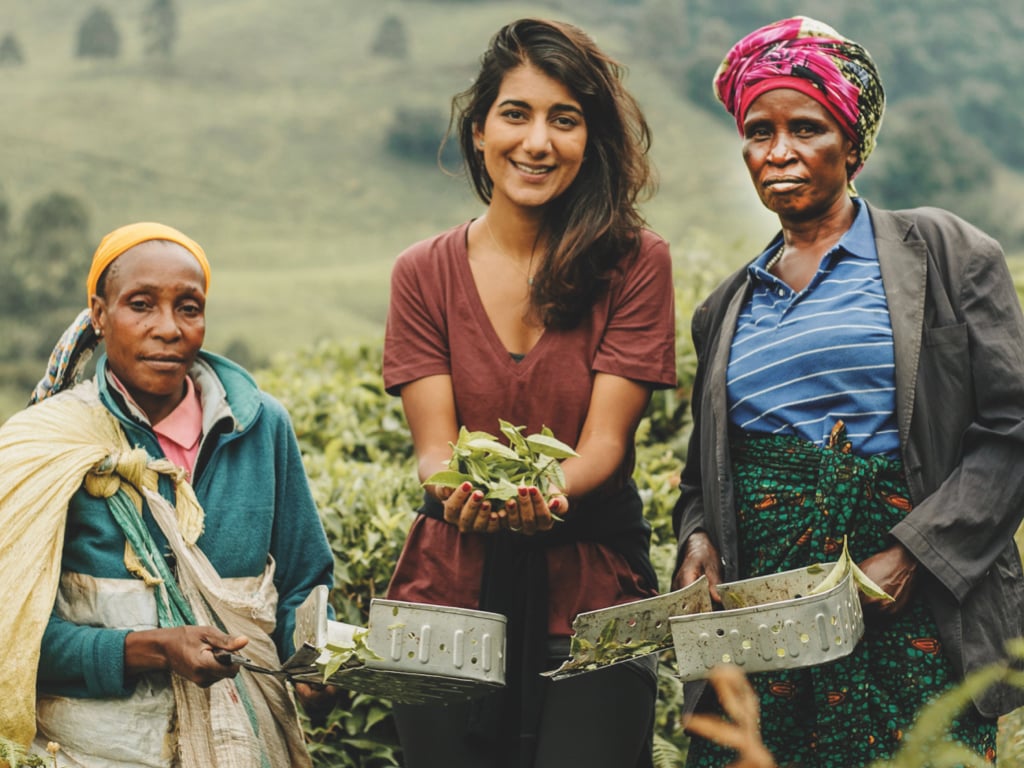
But the strongest memories are not mechanical. They are the dry valleys, green mountains, tea fields, and people. At one point in Amani, butterflies lifted from the road and forest edges as I rode through the rainforest. Summit to sea was not a race. It was a dream come true after 31 years.
Kare Murtonen, 51, is a Finnish digital rehabilitation and global health
specialist and lives in Fumba Town, Zanzibar. He grew up in Tanzania and has worked in more than 20 countries. He has two daughters.
Summit to sea
Route: Kilema Gate to Uhuru Peak, down to Marangu, across the Pare Mountains and the West and East Usambaras, Mambo and Lushoto, Amani rainforest, Tanga, Pangani, by boat to Zanzibar. Distance: 750 kmClimb: 16,000 mBike: Punda Kali, East African non-commercial prototype Guide: Richard Mboya, Kilimanjaro mountain & biking guide. WhatsApp 0764 371611 or IG: @smile_bike_tz E-mountainbiking in East Africa: contact Kare Murtonen, +255 762 797 127
Share